Our ozone therapy treatments

Four protocols, for now, chosen together during consultation based on your health.

1

Autohemotherapy

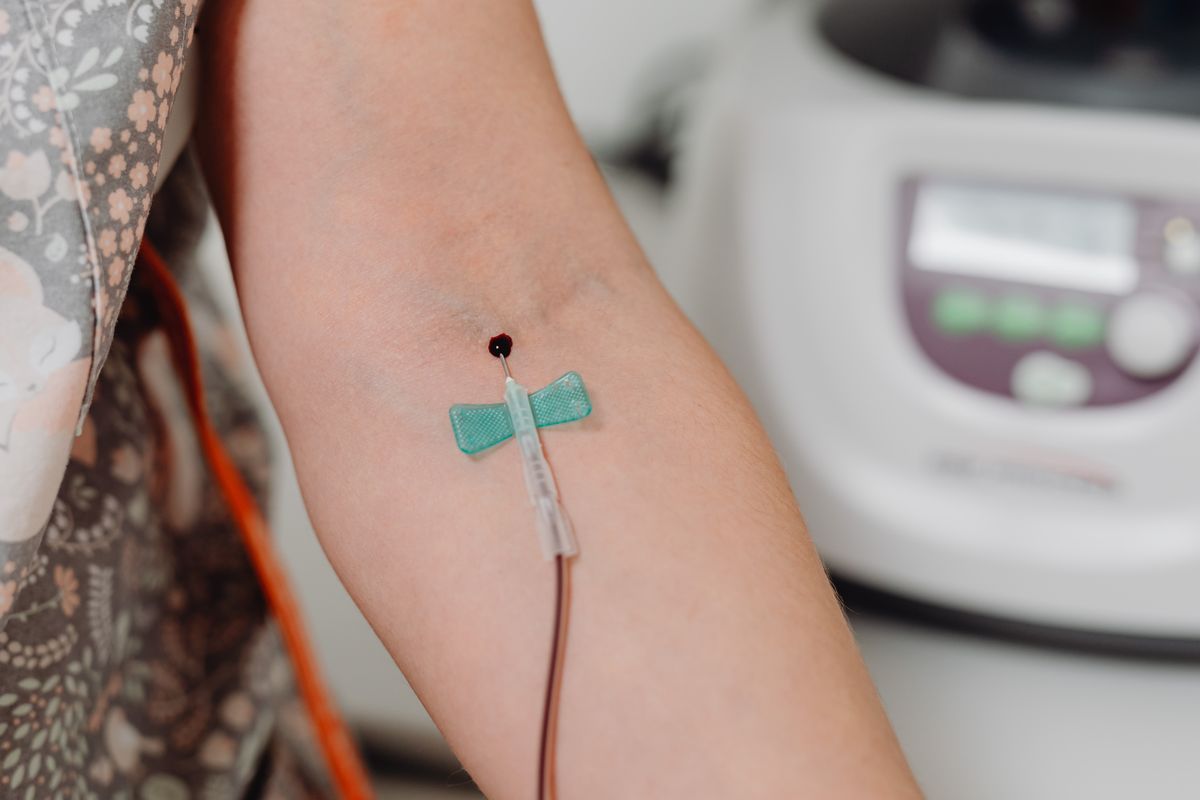
Recognised in several countries as one of the most widespread forms of ozone therapy, autohemotherapy involves drawing a blood sample, bringing it into contact with medical ozone in a sterile closed circuit, then reinjecting it. Major autohemotherapy reinjects the ozonated blood intravenously; minor autohemotherapy reinjects a smaller, ozonated quantity intramuscularly.

Commonly cited indications

  • Support for the body's natural defences
  • Chronic fatigue, recovery
  • Support for inflammatory conditions
Autohemotherapy at Clinique AL Akhawayn
2

Local injection

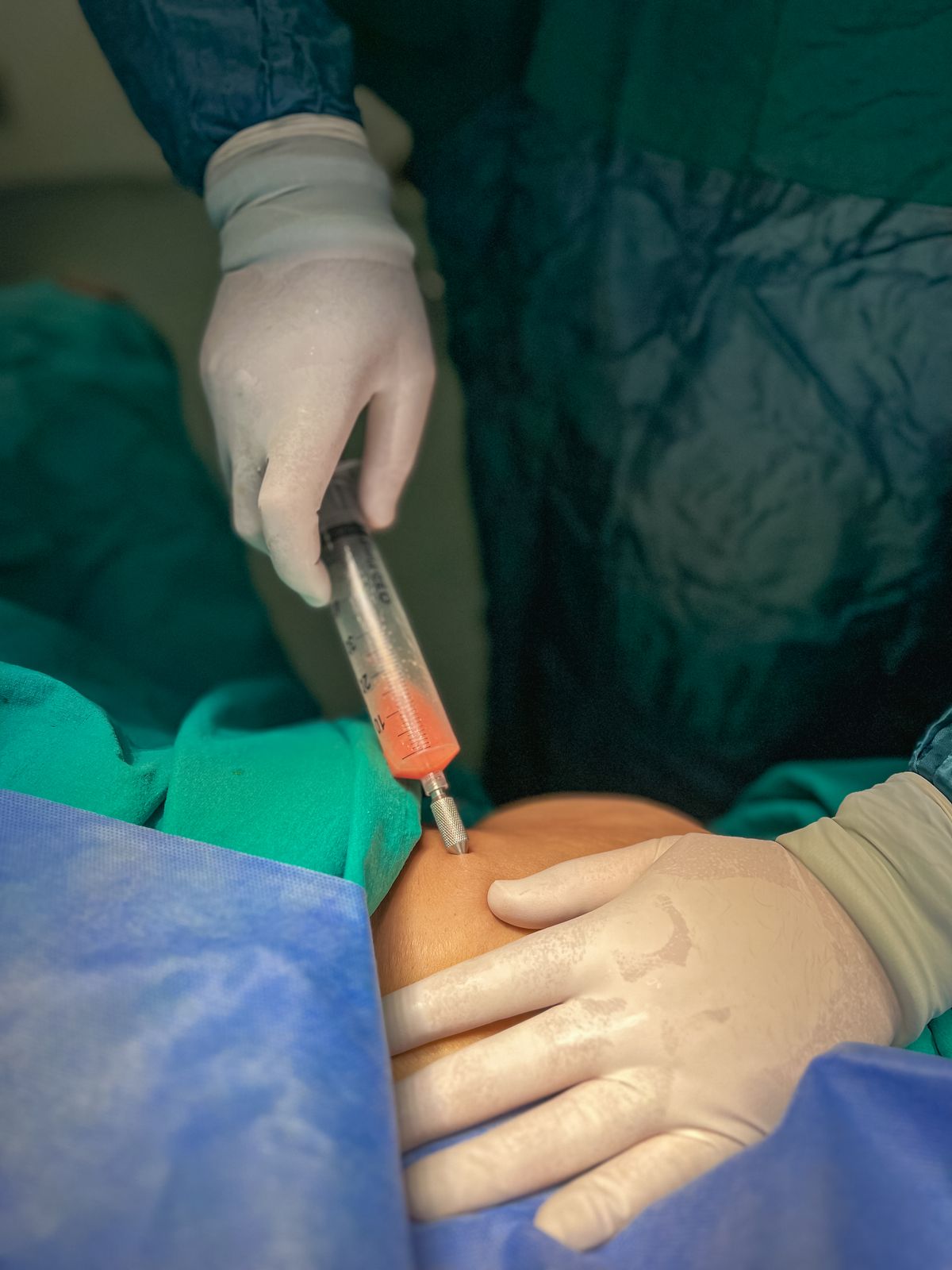
Medical ozone gas, or an ozonated saline solution, is injected in a targeted way into a joint, muscle or painful area, under strict aseptic conditions. This approach is commonly discussed alongside the management of arthritis, tendinopathies or certain disc-related conditions.

Commonly cited indications

  • Joint and tendon pain
  • Lower back pain, certain sports injuries
  • Localised painful points
Doctor performing a local ozone injection
3

Insufflation

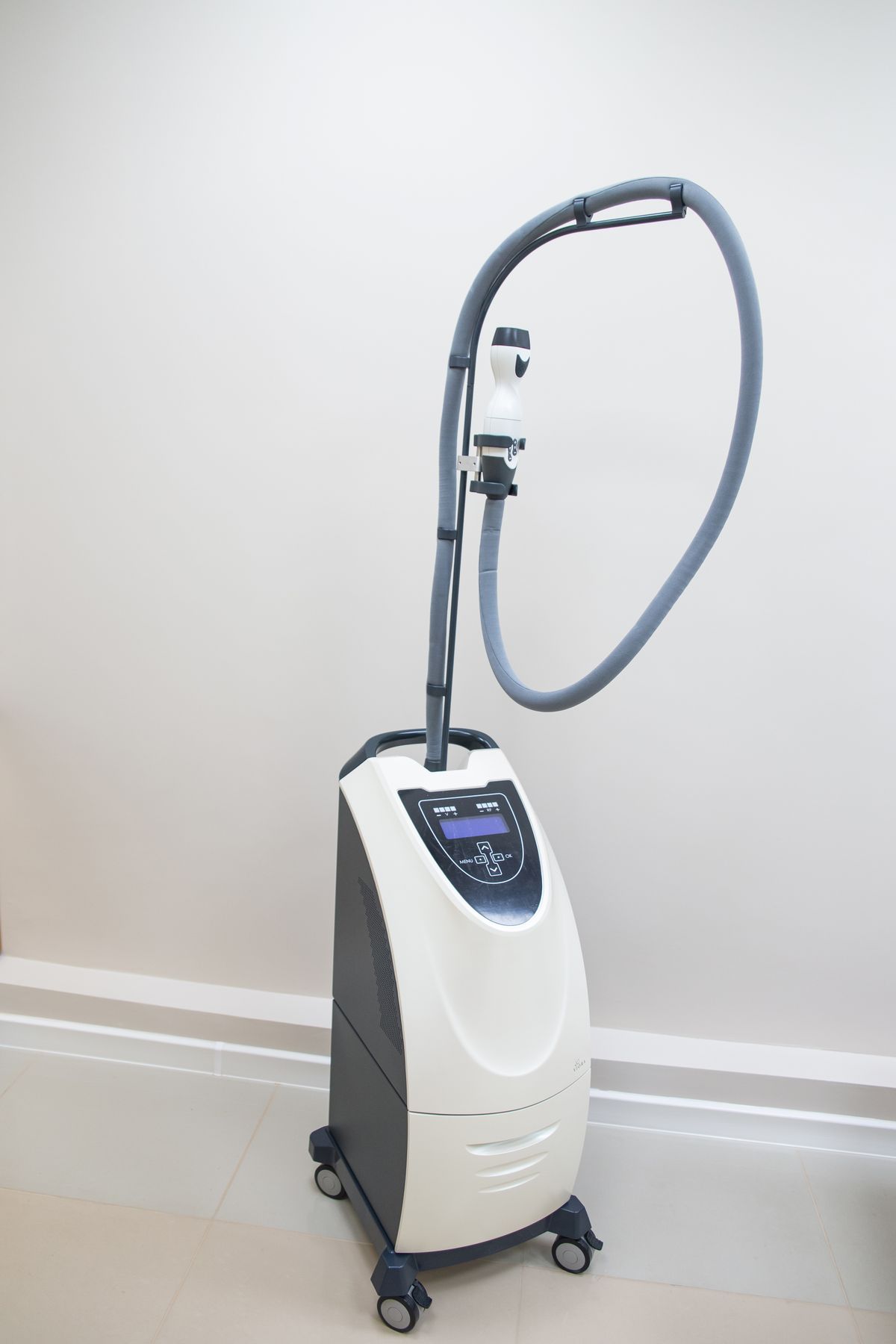
Medical ozone is introduced into a body cavity — rectally, vaginally or through the ear depending on the indication — with a gradual dosage. Rectal insufflation is, internationally, one of the most common forms of ozone therapy, often offered as a simpler alternative to autohemotherapy.

Commonly cited indications

  • Digestive comfort
  • Functional gynecological concerns
  • ENT (ear insufflation)
Medical ozone generator used for insufflation
4

Ozonated water & oils

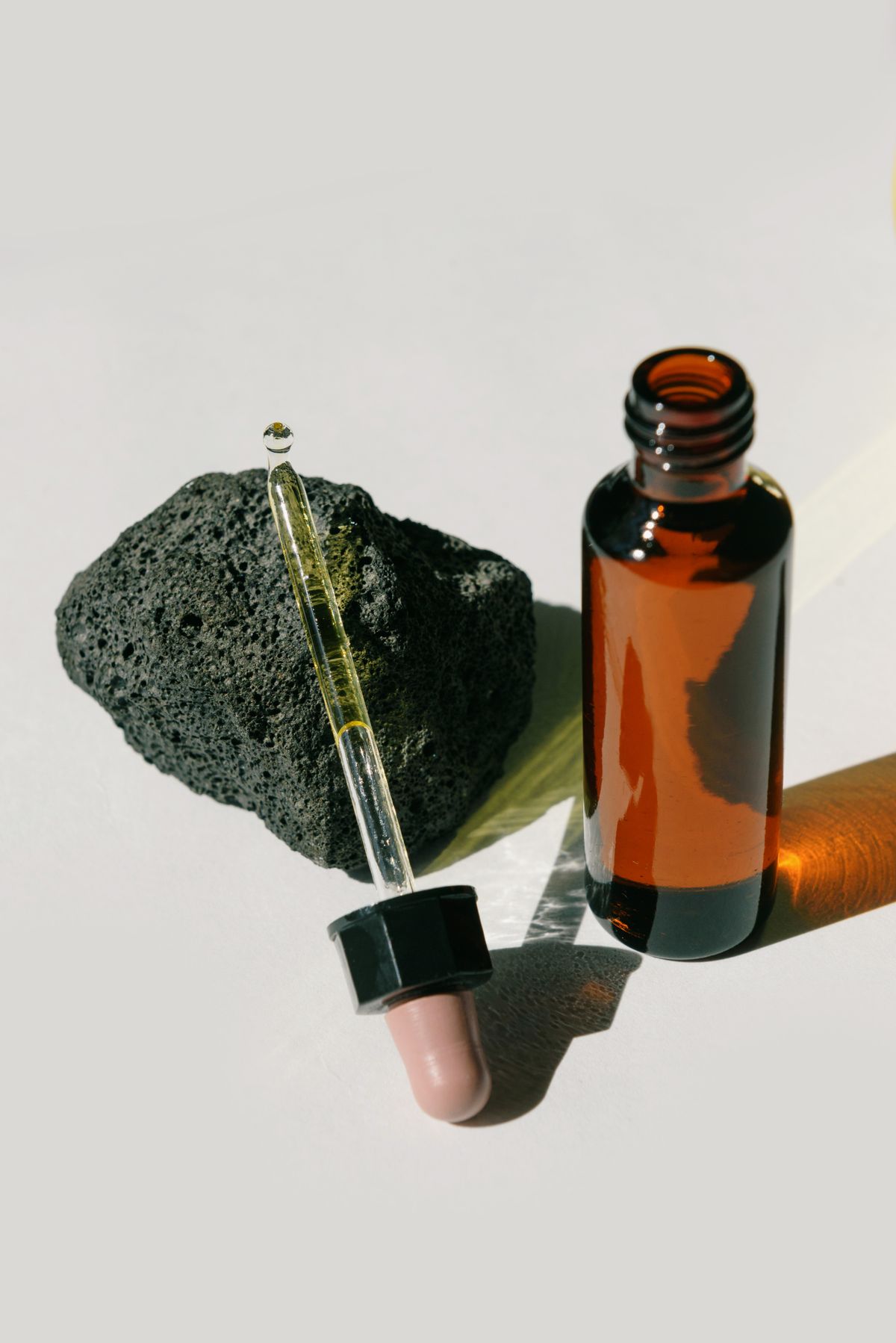
Water or vegetable oils are enriched with medical ozone through bubbling, for external use on the skin or as a treatment course, on the team's advice. Ozonated water should be consumed shortly after preparation: dissolved ozone breaks down within about twenty minutes at room temperature.

Commonly cited indications

  • Skin care, superficial wounds
  • Local hygiene
  • At-home ozonated water course, on prescription
Ozonated water and oils
The process

How a treatment journey unfolds

1

Consultation

Assessment of your situation, goals and any contraindications.

2

Protocol

Choice of the treatment(s) suited to you, among the 4 protocols offered.

3

Sessions

Sessions take place at the clinic, carried out by the medical team.

4

Follow-up

A check-in to adjust the protocol if needed.

Ozone therapy is a complementary approach offered at Clinique AL Akhawayn. It does not replace a medical diagnosis or a prescribed treatment: a prior consultation is required to assess the indication and any contraindications specific to each patient. The number of sessions, duration and pricing are provided during the consultation.

Safety

Contraindications and possible effects

Ozone therapy is generally well tolerated, but it is not suited to every situation. A prior medical interview helps rule out contraindications specific to you.

Commonly retained contraindications

  • Uncontrolled hyperthyroidism
  • Coagulation disorders or current anticoagulant treatment
  • G6PD deficiency (favism)
  • Known allergy to ozone
  • Pregnancy, as a precaution depending on the protocol considered

Transient effects sometimes reported

  • Temporary fatigue after the session
  • Mild dizziness or nausea
  • Bloating sensation (rectal insufflation)

This list is not exhaustive. A medical interview prior to any session allows your personal situation to be assessed and any contraindication to be ruled out.

Frequently asked questions

What to know before a session

What exactly is medical ozone?

Medical ozone (O₃) is a gas made of three oxygen atoms, produced by a medical generator at precisely dosed concentrations. It has nothing to do with atmospheric ozone and is never inhaled directly — it is always administered through one of the 4 protocols offered at the clinic (blood, injection, insufflation, or enriched water/oils).

How many sessions are generally needed?

This depends on the protocol chosen and your situation. An indicative number of sessions, their frequency and duration are provided during the initial consultation.

Is an ozone therapy session painful?

Most protocols are mildly or not painful at all. A local injection may cause a brief sensation, similar to a standard injection.

Does ozone therapy replace my usual treatment?

No. It is a complementary approach: it replaces neither a medical diagnosis nor a treatment prescribed by your doctor.

Is ozone therapy recognised internationally?

It is practised as a complementary approach in several countries, in various forms (autohemotherapy, insufflation, local injection, ozonated water). Its regulatory status nonetheless varies from one country to another.

Ready to book an appointment?

Book an appointment Contact us